Other Pulses
We also source and export a variety of specialty pulses. Click on any card to learn more.
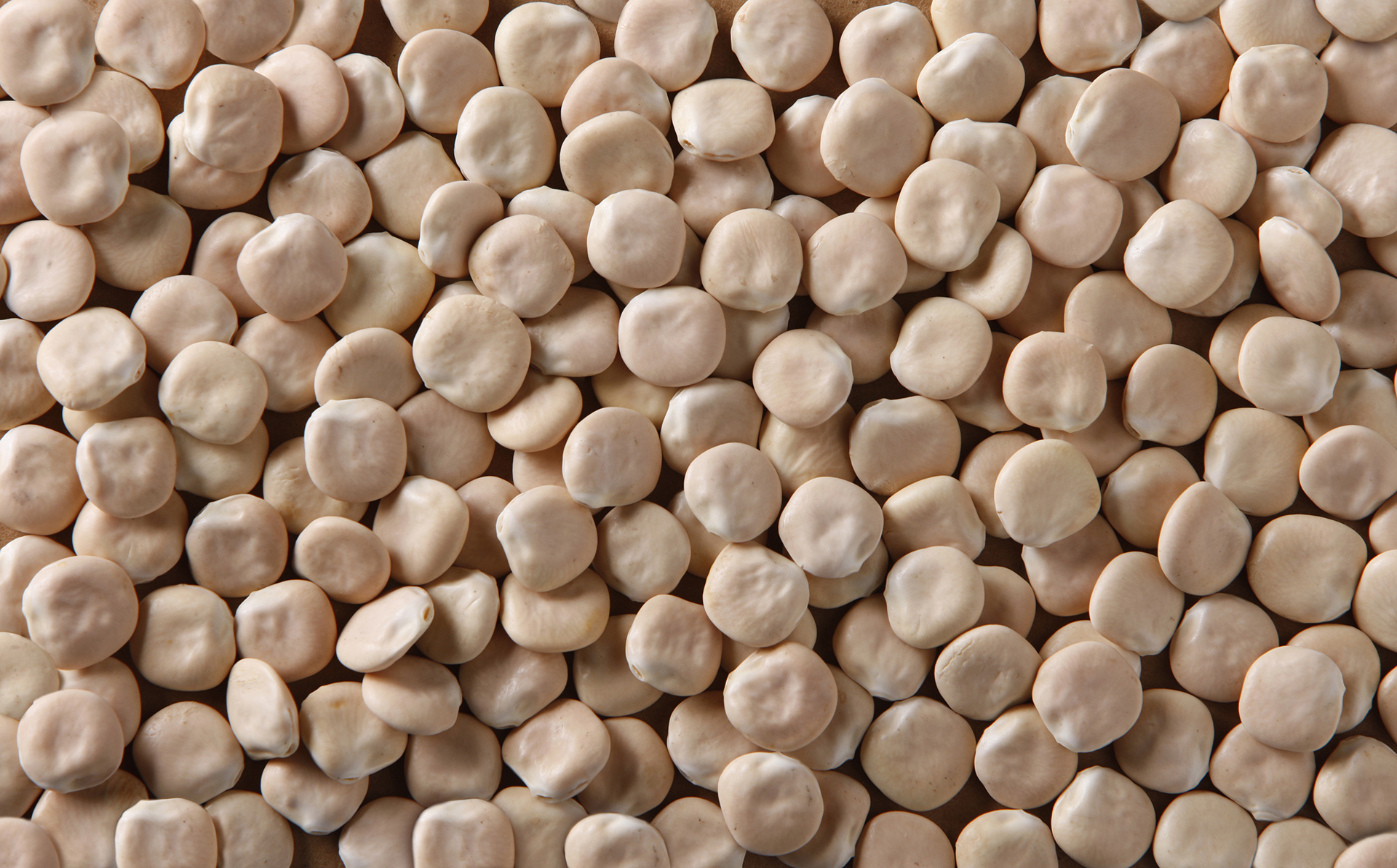
Lupins
History
Lupins are an ancient legume, cultivated in both the Mediterranean (by the Romans) and the Andes for thousands of years. Traditionally, they were very bitter and required extensive soaking, but modern "sweet" varieties are now common.
Health Benefits
Lupins are a nutritional powerhouse, containing one of the highest concentrations of protein and fiber of any legume. They are low in starch, gluten-free, and rich in amino acids, making them a superfood for muscle growth and digestive health.

Adzuki Beans
History
A small, dark red bean cultivated in East Asia for thousands of years. Adzuki beans are most famously used in Japanese, Chinese, and Korean cuisine, where they are boiled, sweetened, and mashed into "red bean paste" (Anko) for desserts.
Health Benefits
Adzuki beans are relatively easy to digest and are rich in protein, fiber, and manganese. They are also high in antioxidants and are used in traditional medicine to support kidney and bladder function.
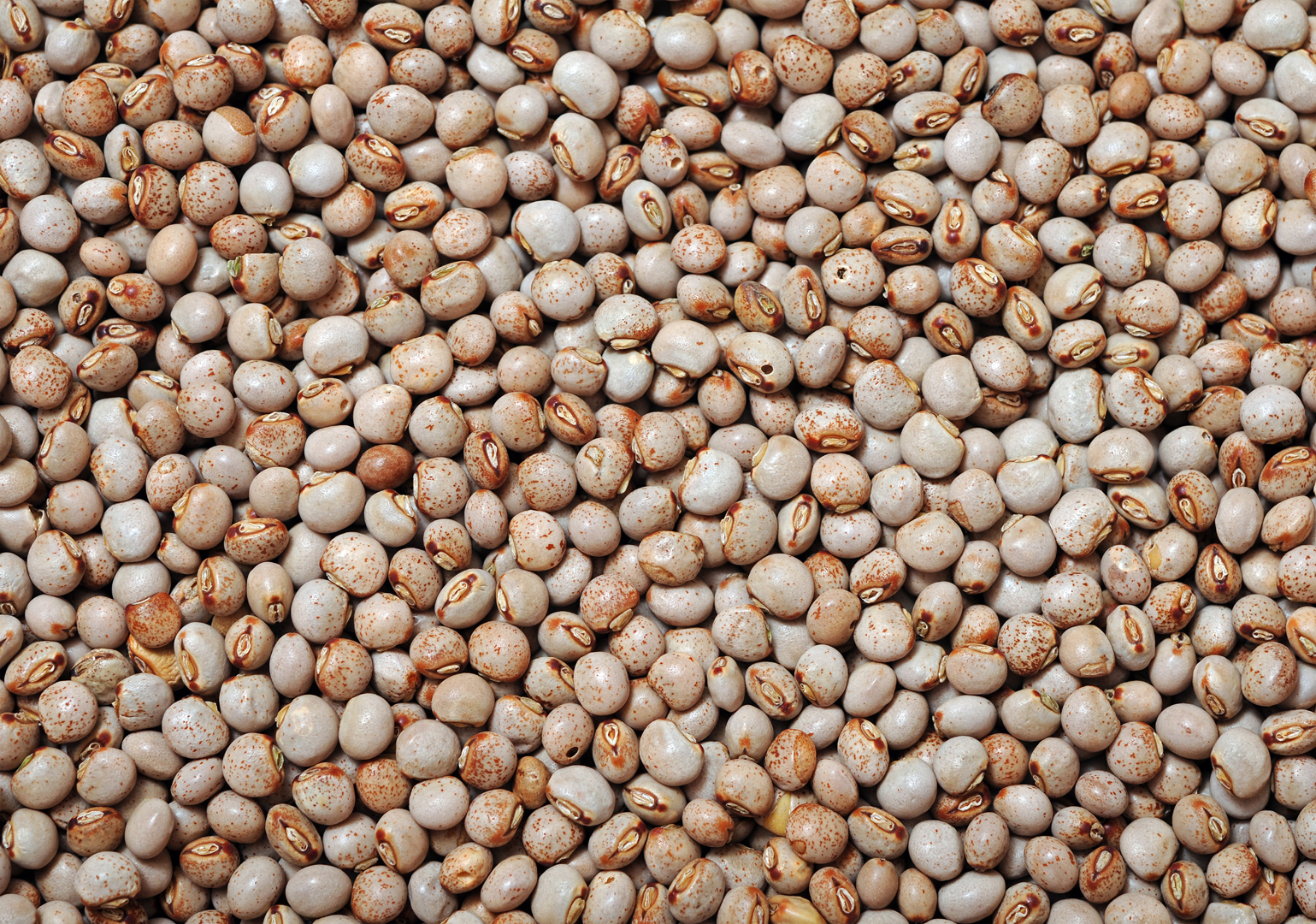
Pigeon Peas
History
Originating in India (where it's known as Toor Dal or Arhar Dal), the pigeon pea has been cultivated for at least 3,500 years. It spread to Africa and then to the Americas via the slave trade, becoming a staple in the Caribbean (as in "rice and peas").
Health Benefits
Pigeon peas are a great source of protein, folate, and vitamin C. They are particularly high in manganese and are known for their ability to hold their shape, adding a firm, nutty texture to dishes.