Bean Varieties
We export a diverse range of high-quality beans from around the world. Click on any card to learn more.
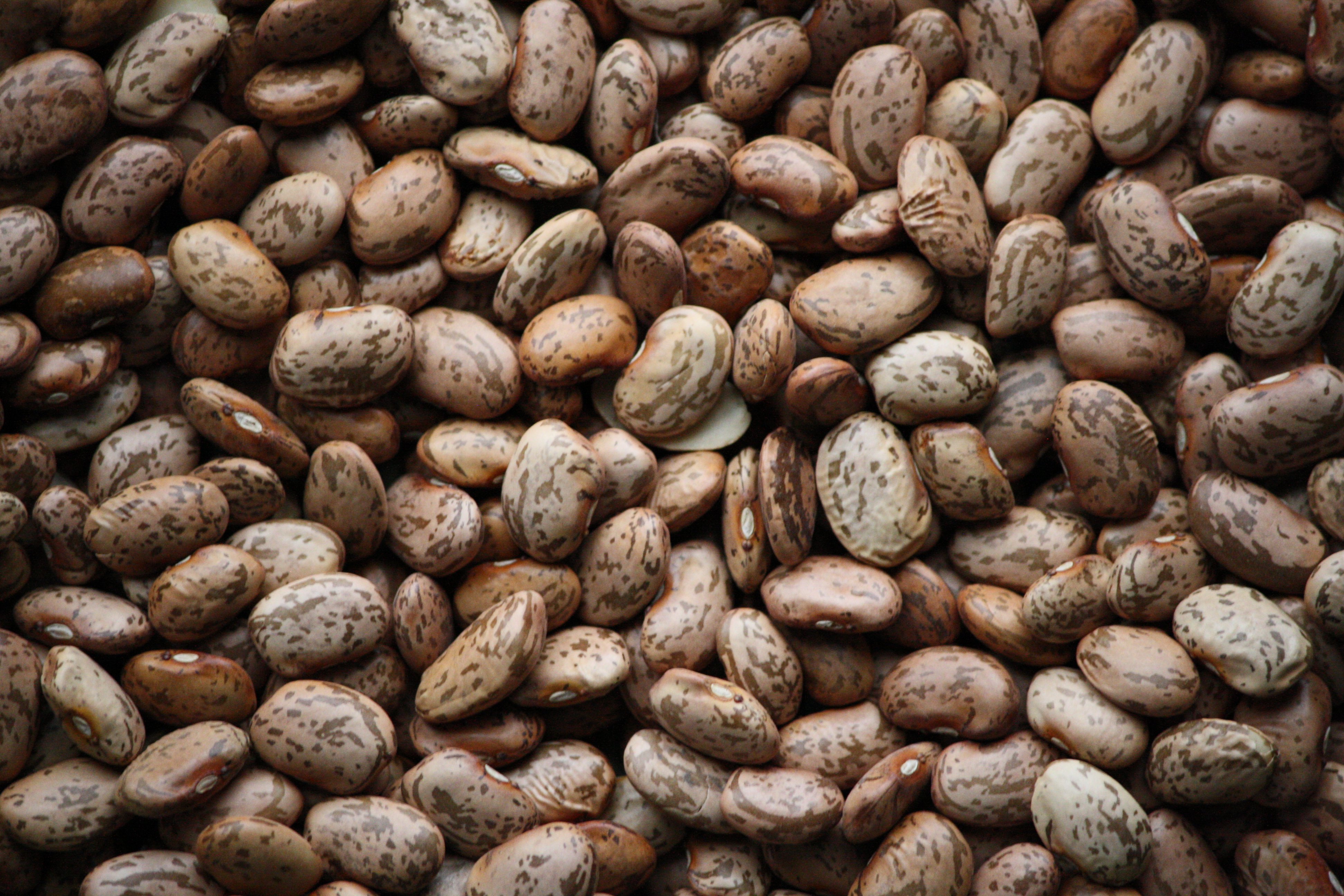
Slow Darkening Pinto Beans
History
Pinto beans are the most common bean in the US. "Slow Darkening" is a modern trait bred into the bean to maintain its lighter, speckled appearance on shelves for longer, which is preferred by consumers.
Health Benefits
An excellent source of protein, fiber, and folate. They are particularly good for stabilizing blood sugar levels and are a staple in Mexican and Tex-Mex cuisine, perfect for refried beans and chili.
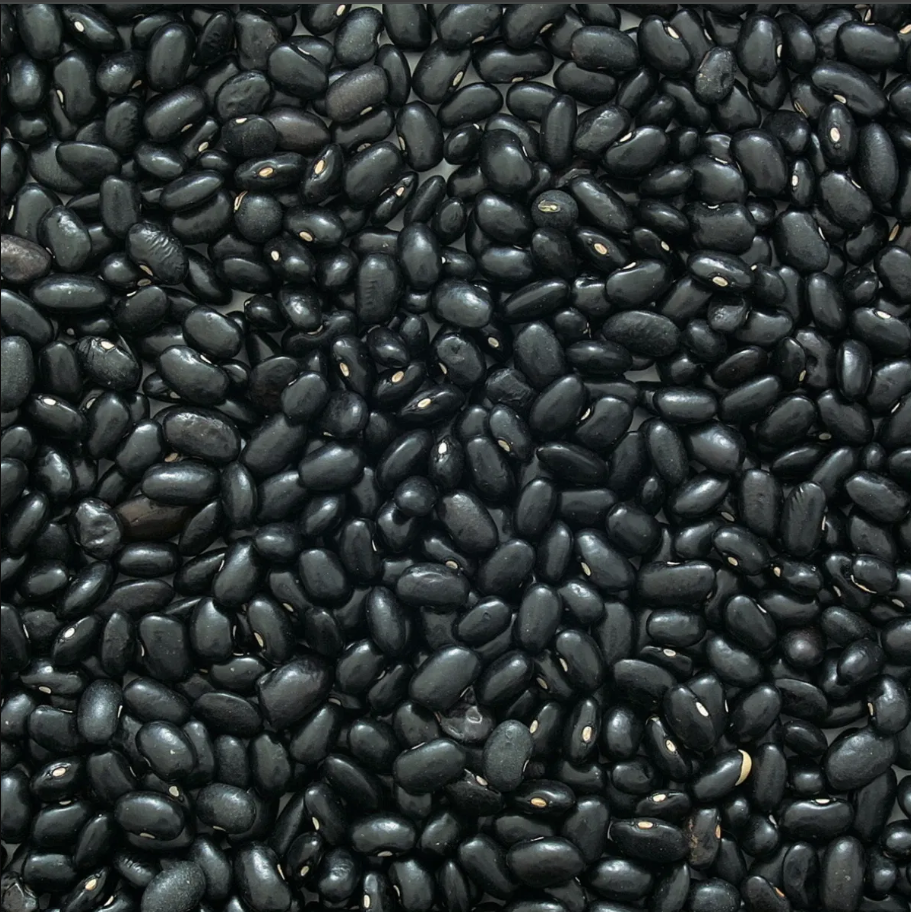
Black Beans
History
Originating in the Americas, black beans (or turtle beans) have been a staple food for over 7,000 years. They are central to Latin American, Caribbean, and Cajun cuisines.
Health Benefits
Their dark skin is rich in anthocyanins, powerful antioxidants that fight inflammation. They are also packed with fiber, protein, and molybdenum, which helps the body detoxify sulfites.
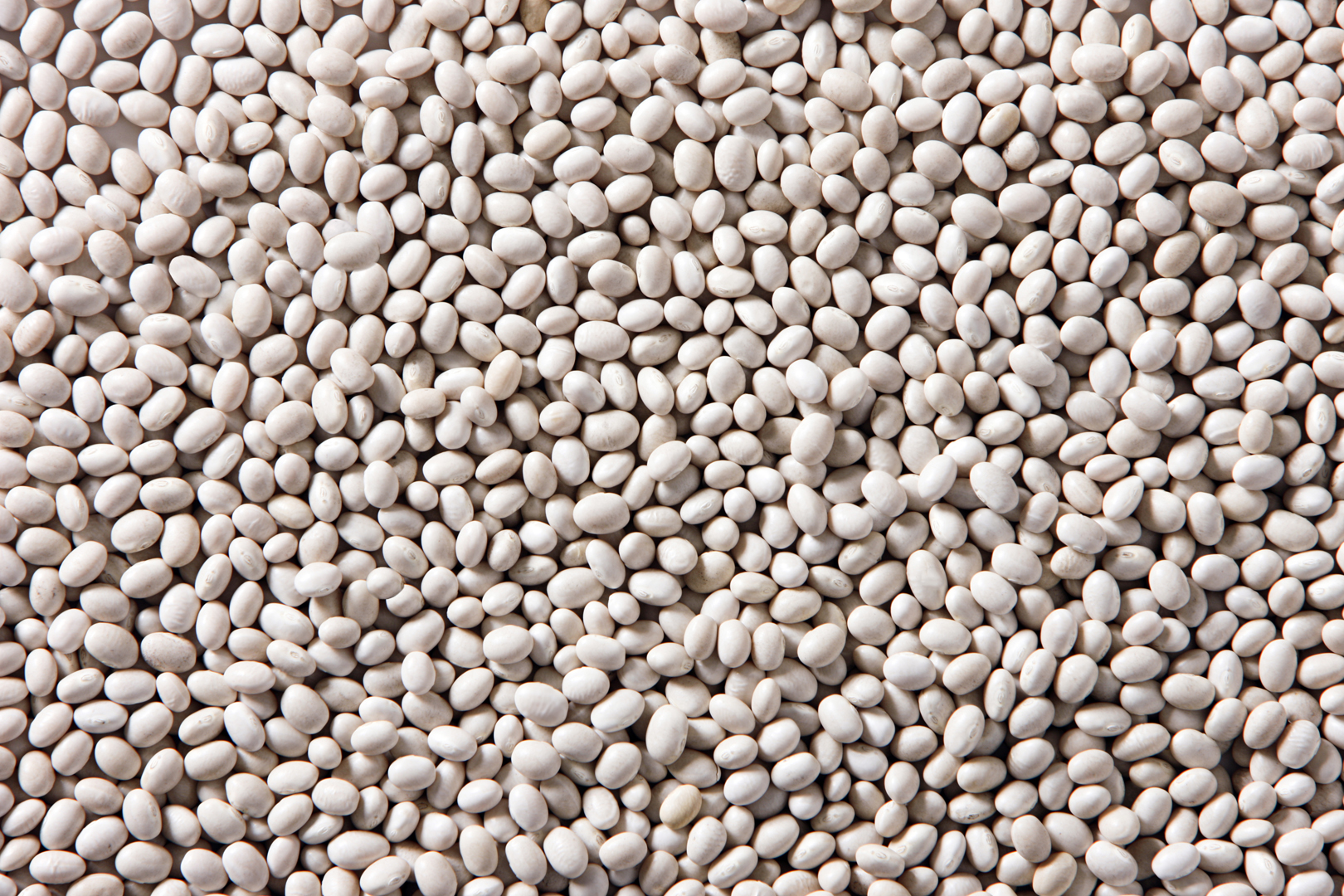
Navy Beans
History
Also known as "Boston beans," these small white beans became a staple food for the US Navy in the 19th century because they were easy to store and nutritious, hence the name. They are the classic bean for "Boston baked beans."
Health Benefits
Navy beans have the highest fiber content of almost any bean. They are incredibly high in manganese and folate and are known for their creamy texture when cooked, making them perfect for soups and purees.
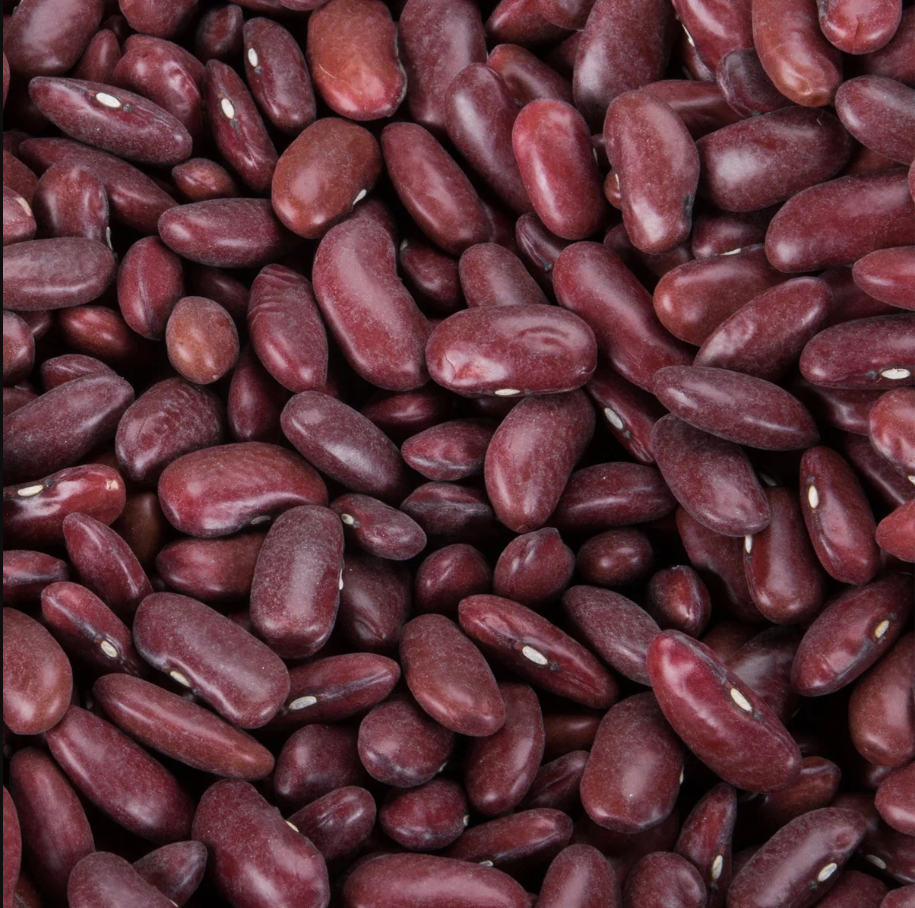
Dark Red Kidney Beans
History
Named for their shape and color, kidney beans are another ancient American staple. The dark red variety is most common in chili, salads, and rice dishes (like red beans and rice).
Health Benefits
Rich in iron, phosphorus, and potassium. They are particularly good at absorbing flavors, but they must be cooked thoroughly, as raw kidney beans contain a toxin called phytohaemagglutinin.
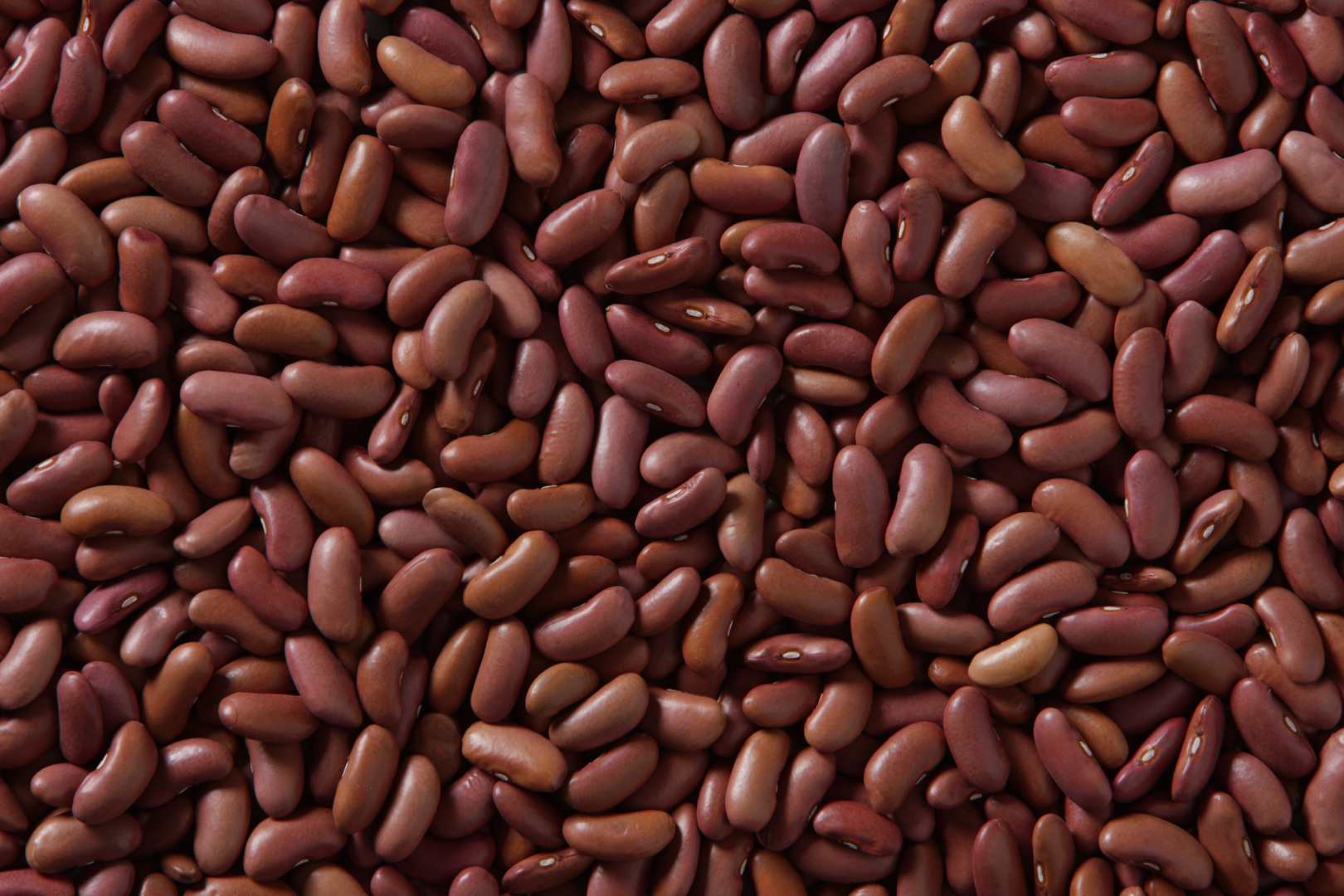
Light Red Kidney Beans
History
A variant of the kidney bean, the light red (or "pink") kidney bean has a softer, more delicate skin and a milder flavor than its dark red counterpart. It's popular in Caribbean and Creole cooking.
Health Benefits
They share a similar nutritional profile to dark red kidney beans (high in fiber, protein, and iron) but cook up creamier and faster, making them ideal for soups, dips, and stews.
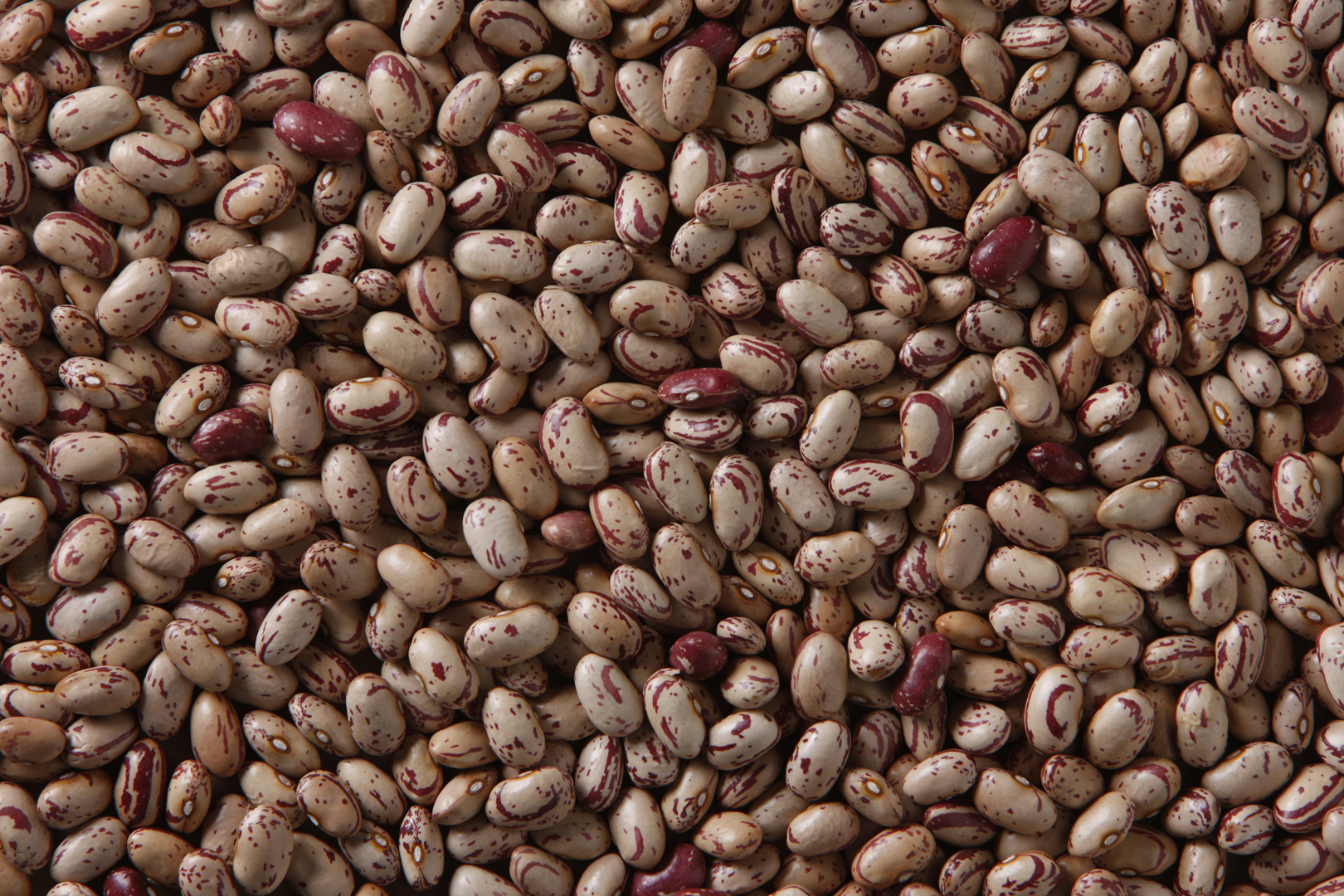
Cranberry (Romano) Beans
History
Also known as Borlotti beans, these are popular in Italian, Portuguese, and Turkish cuisine. They have a beautiful reddish, speckled appearance when raw, but they lose this color and turn a uniform brown when cooked.
Health Benefits
They have a creamy, chestnut-like flavor and are rich in protein and iron. They are particularly high in folate, which is essential for cell health and preventing birth defects.
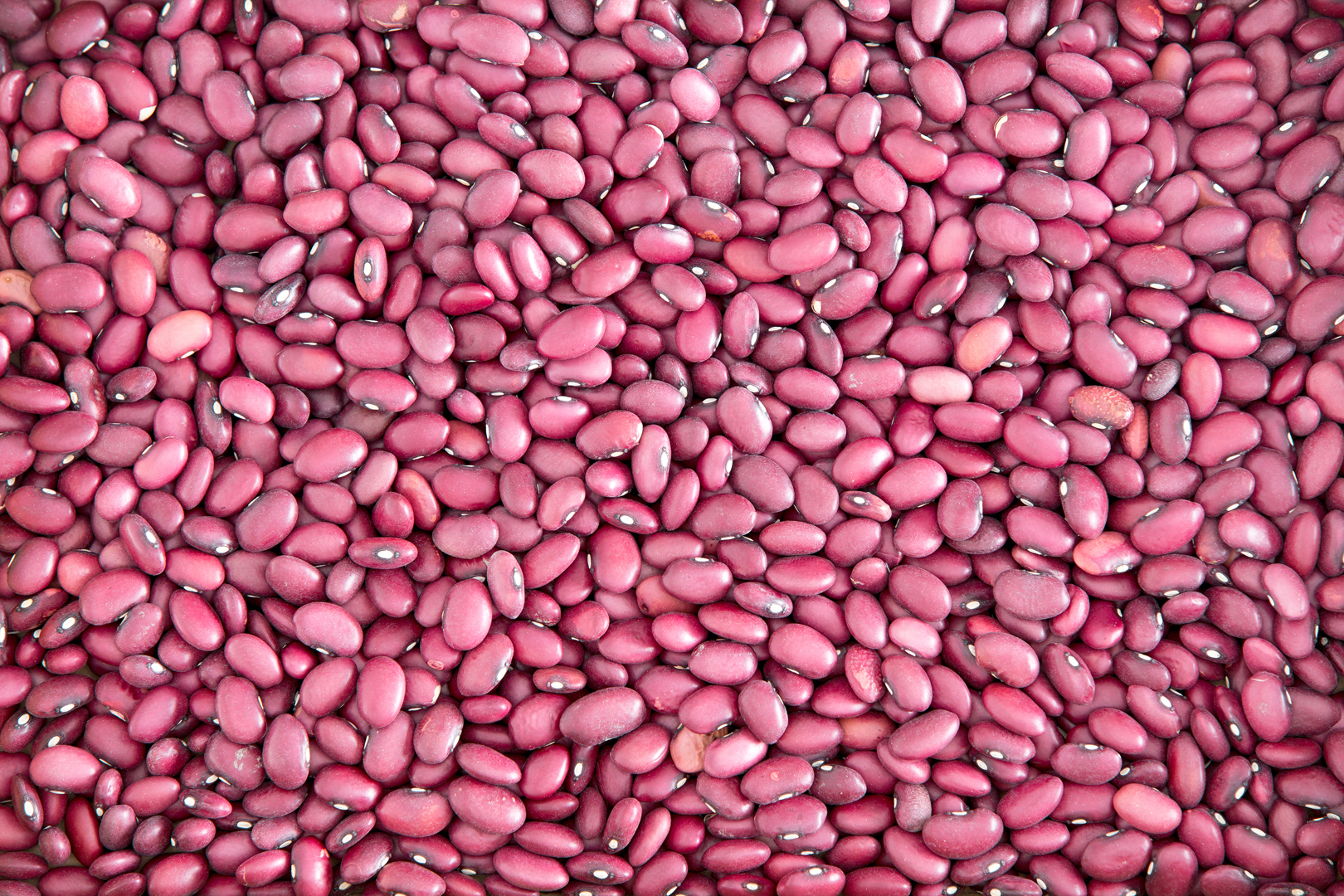
Small Red Beans
History
Not to be confused with kidney beans, these are smaller, rounder, and have a milder flavor. They are the star ingredient in Louisiana's "Red Beans and Rice" and are central to Caribbean and Central American cuisine.
Health Benefits
High in protein, fiber, and iron. They hold their shape well but break down just enough to create a creamy sauce, making them perfect for slow-cooked dishes, soups, and rice.
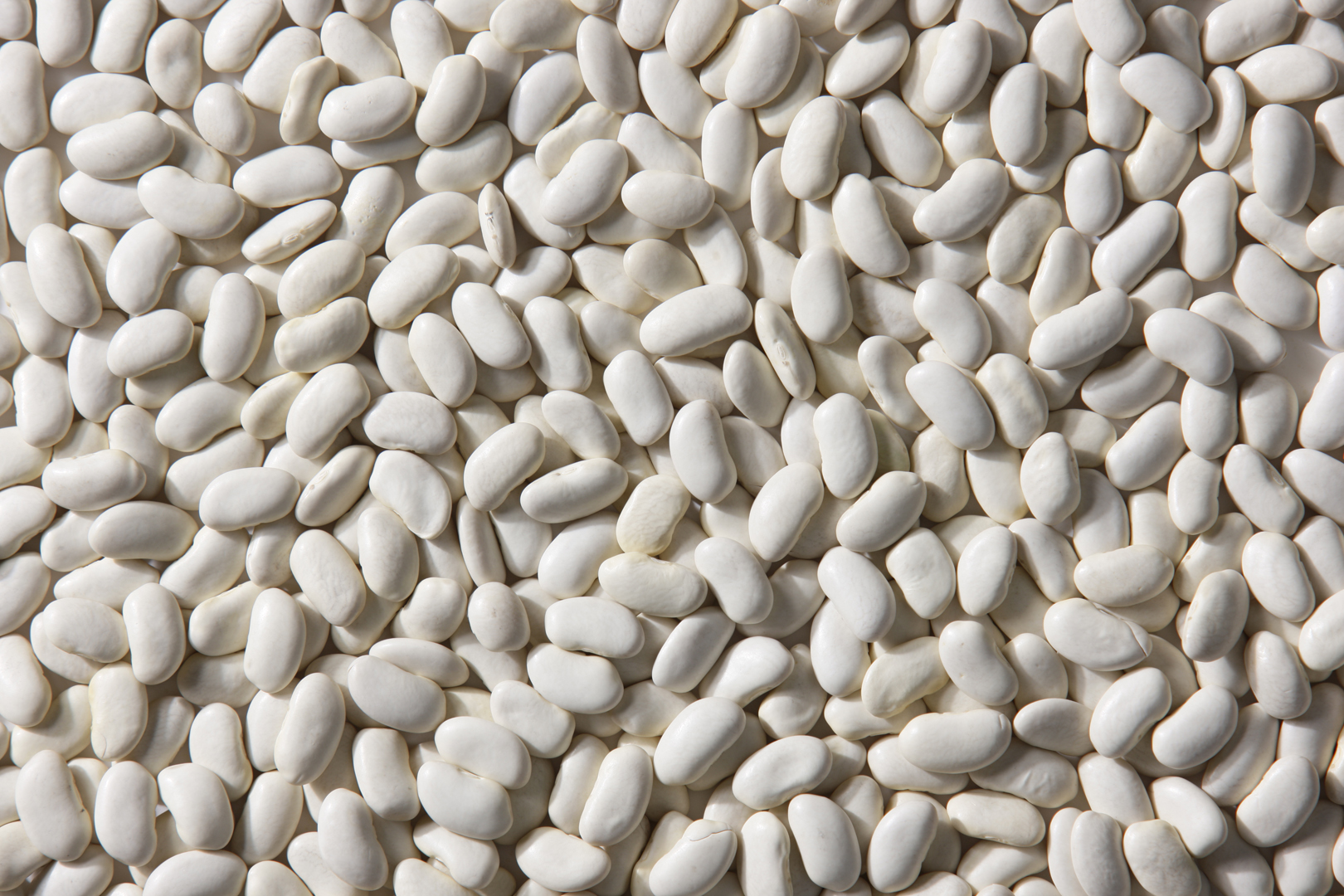
Great Northern Beans
History
A popular American white bean, larger than Navy beans but smaller than Cannellini. They were developed in North Dakota. They have a delicate flavor and firm texture, making them ideal for a variety of dishes.
Health Benefits
A low-fat source of protein and fiber, they are also rich in folate and iron. They hold their shape well, making them perfect for salads, stews, and French cassoulets, where they absorb flavors without turning to mush.
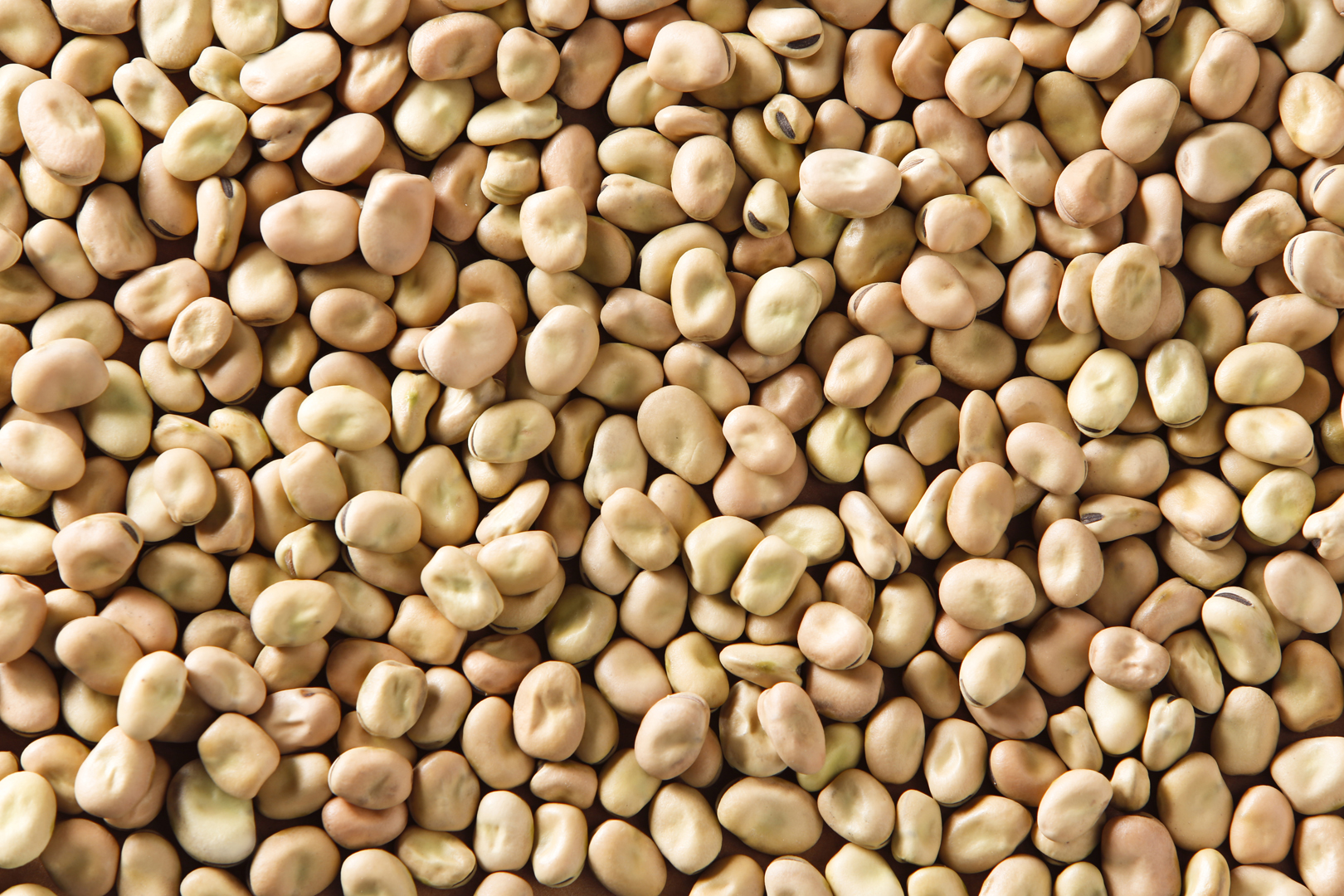
Faba Beans
History
Also known as Broad Beans, Faba beans are one of the oldest domesticated crops, with origins in the Middle East dating back to 6000 BC. They are a staple in Mediterranean, Chinese, and Middle Eastern diets.
Health Benefits
Extremely nutrient-dense. They are packed with protein, folate, and manganese. They are also a rare food source of L-dopa, a compound that the body converts to dopamine, which can support brain health.
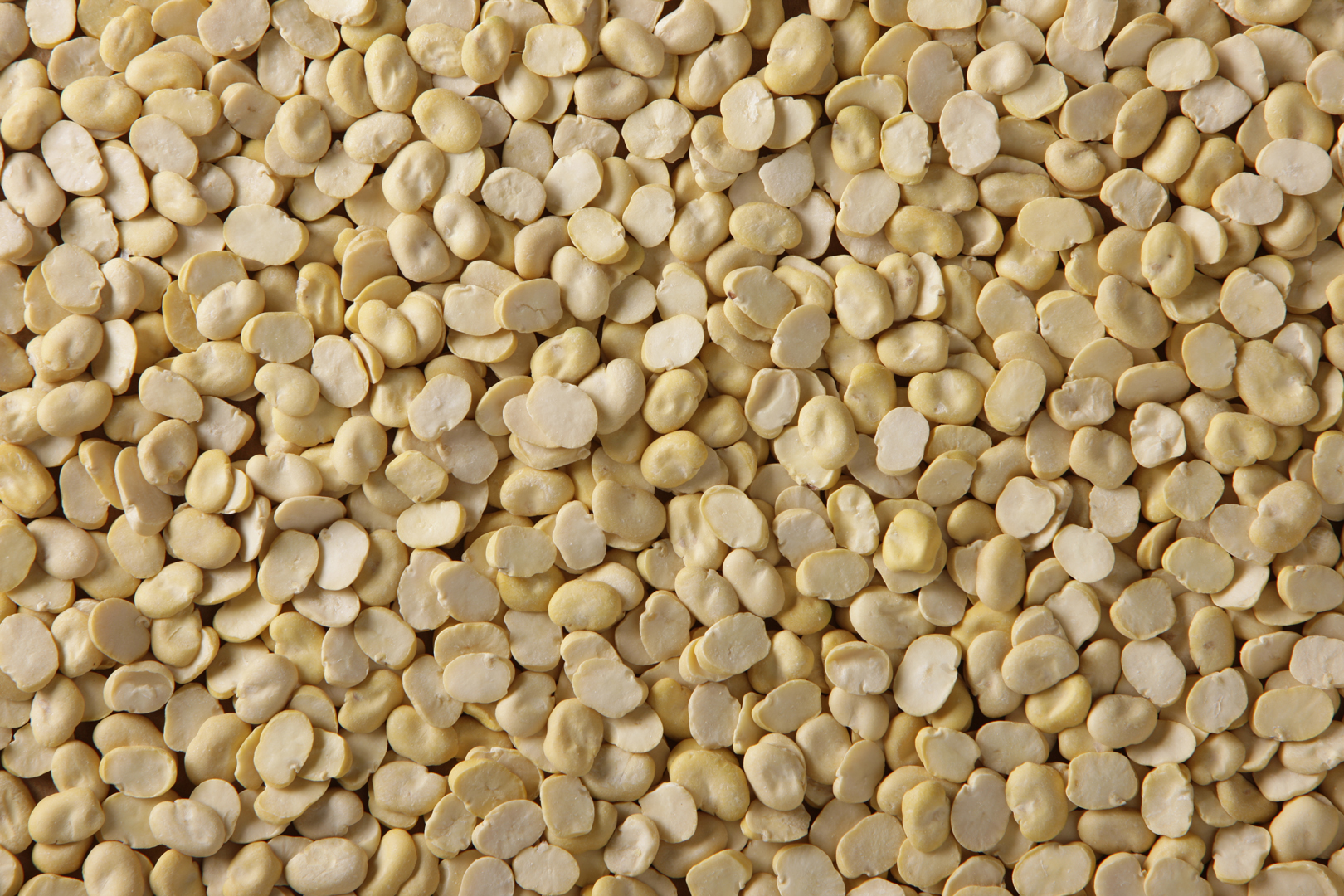
Split Faba Beans
History
These are whole faba beans that have had their thick outer skin removed and are split in half. This makes them much easier to cook and digest. They are commonly used in soups, stews, and purees like Egyptian *Bissara*.
Health Benefits
They share the same high-protein and high-folate profile as whole faba beans but cook down to a soft, creamy texture. They are also a key ingredient in making falafel in many regions.
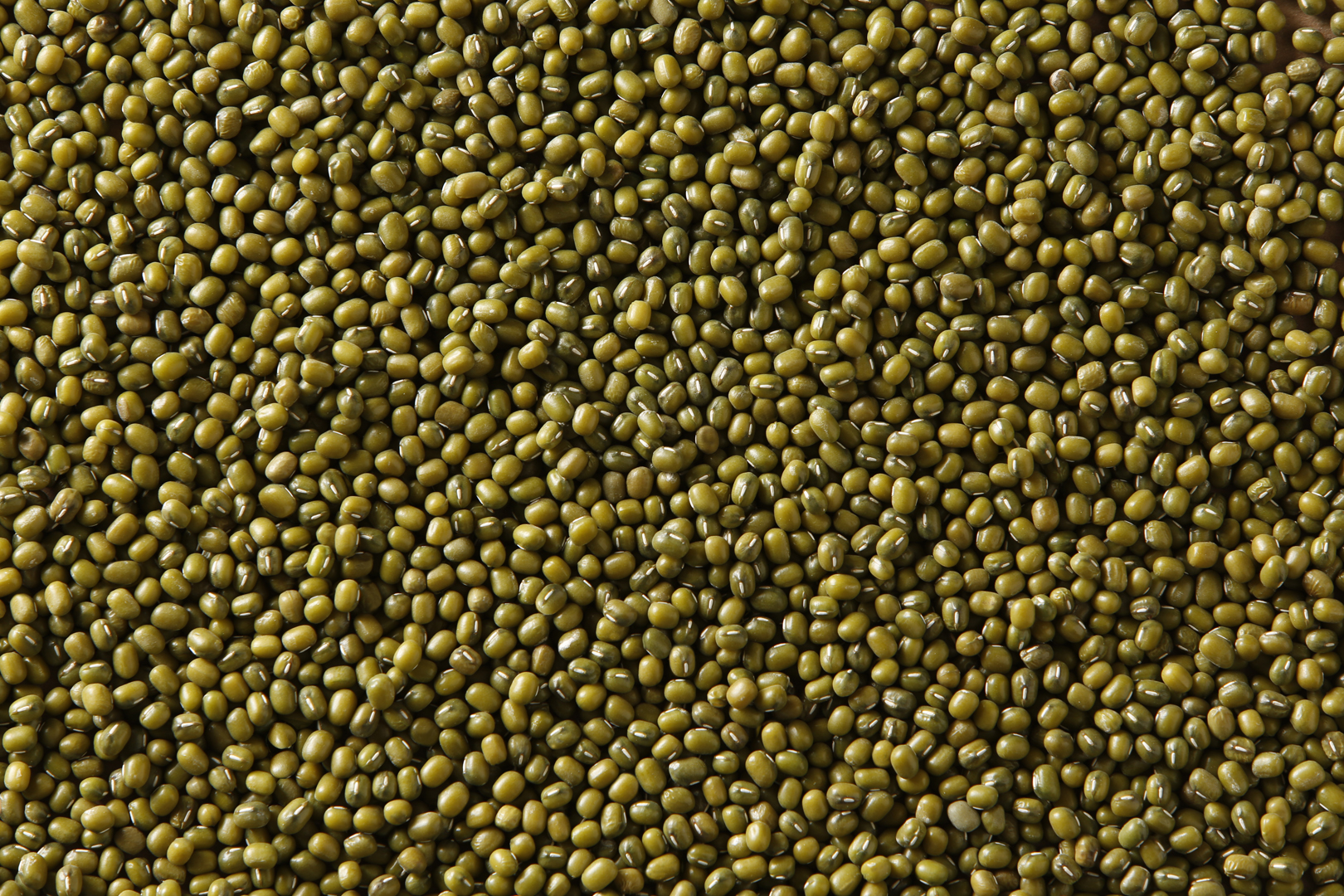
Green Mung Beans
History
A staple of Asian cuisine for thousands of years, mung beans are native to India. They are incredibly versatile, used whole in curries, split for dal, or sprouted (as in "bean sprouts").
Health Benefits
High in protein, fiber, and antioxidants. They are considered one of the easiest beans to digest. They are also a great source of potassium, magnesium, and B vitamins, supporting heart and digestive health.
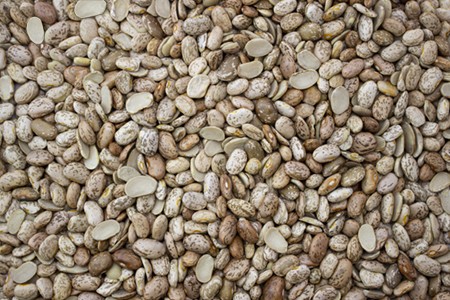
Recleaned Split Pinto Beans
History
This is pinto bean that has been hulled and split. "Recleaned" means it has been passed through additional sorting to ensure purity. Split pinto beans are less common but cook very quickly into a soft, creamy mash.
Health Benefits
Ideal for "instant" refried beans or thick bean soups. They offer the same high-fiber, high-protein benefits as whole pinto beans but are much faster to prepare and easier to digest for some.
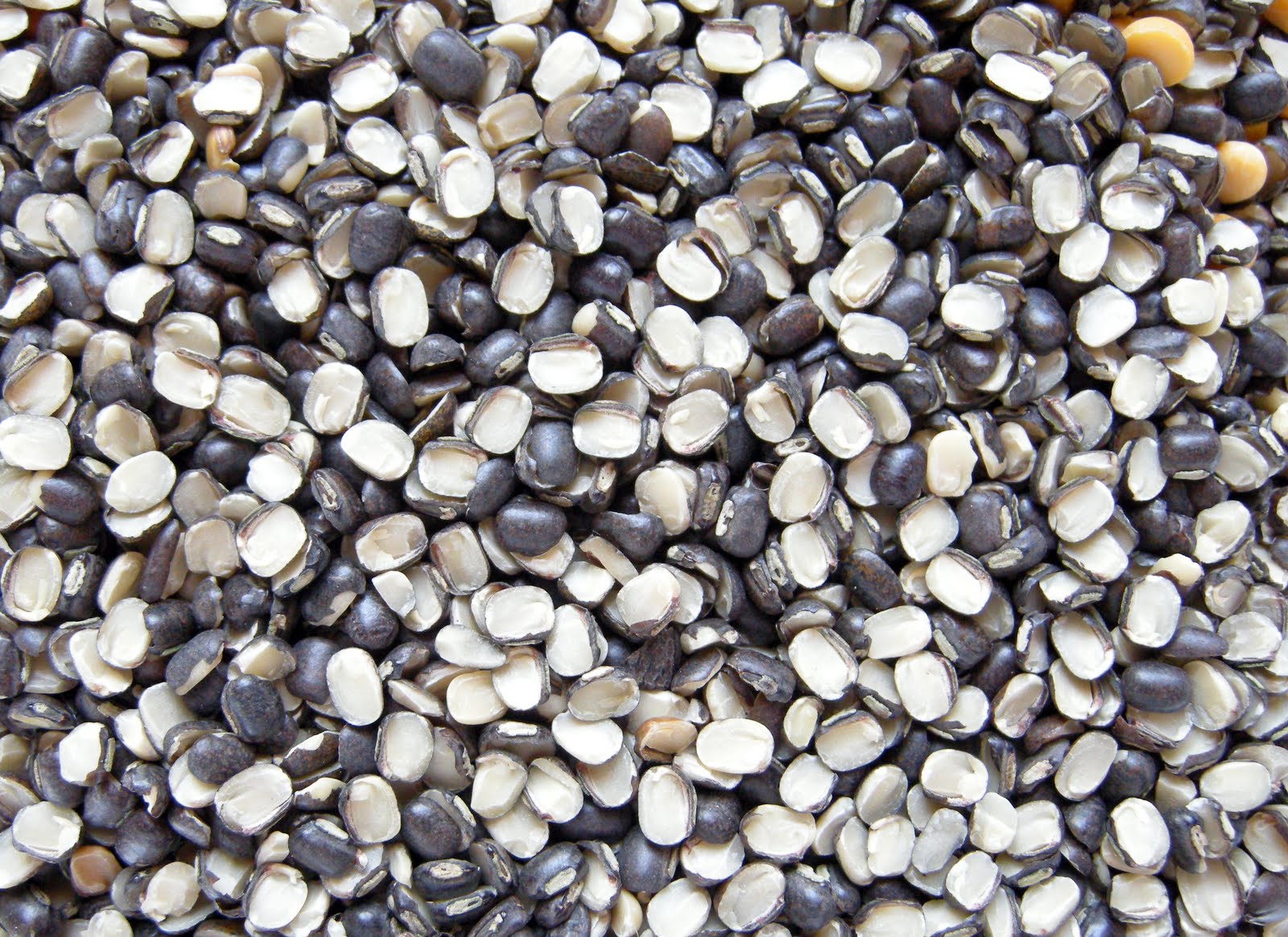
Recleaned Split Black Beans
History
These are hulled and split black turtle beans. They are a specialty product used to make quick-cooking soups, stews, and purees where the deep, earthy flavor of black beans is desired without the long soak and cook time.
Health Benefits
They retain much of the protein and mineral content of whole black beans but cook down very quickly. They are excellent for thick, rich soups and as a base for vegetarian burgers or dips.
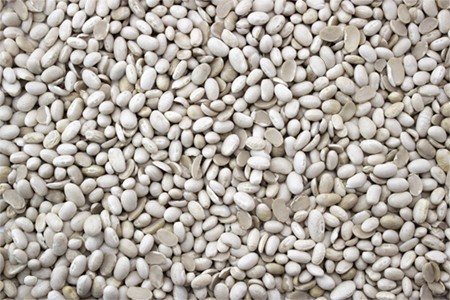
Recleaned Split Navy Beans
History
These are hulled and split navy beans, processed for quick cooking. They are perfect for making extremely smooth and creamy white bean soups, purees, and dips in a fraction of the time.
Health Benefits
Offers the same exceptional fiber content as whole navy beans. They break down completely, which can make them easier to digest and helps to create a thick, nutritious base for many dishes.