Chickpea Varieties
We export several varieties of chickpeas, including Desi and Kabuli types. Click on any card to learn more.
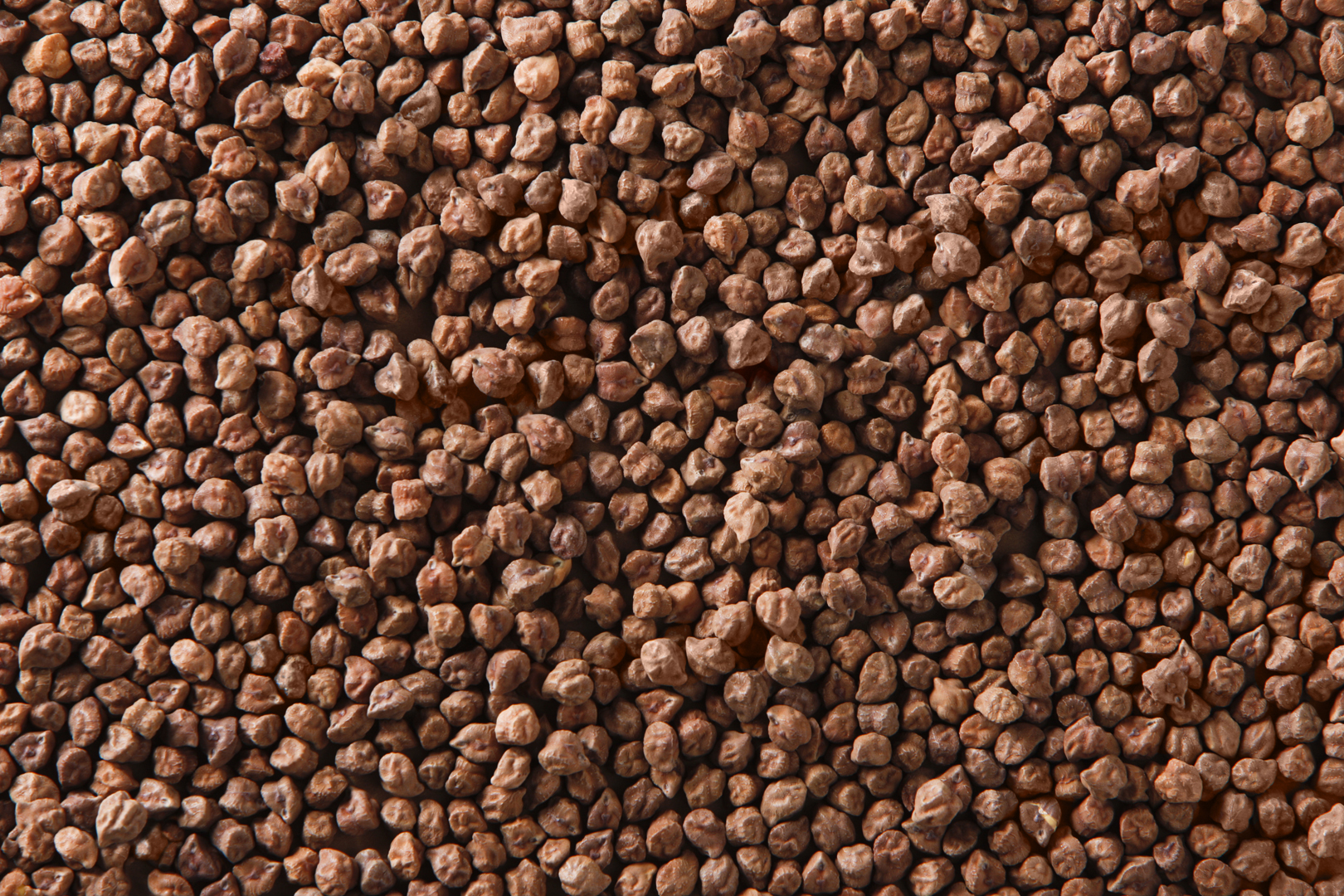
Desi Chickpeas
History
Also known as Kala Chana, Desi chickpeas are an ancient variety, originating in South Asia. They are smaller, darker, and have a rougher coat than Kabuli types. They are the most widely grown type of chickpea in the world.
Health Benefits
Desi chickpeas have a higher fiber content and a lower glycemic index (GI) than Kabuli types, making them excellent for blood sugar management. They are nutty, earthy, and hold their shape well in curries and stews.
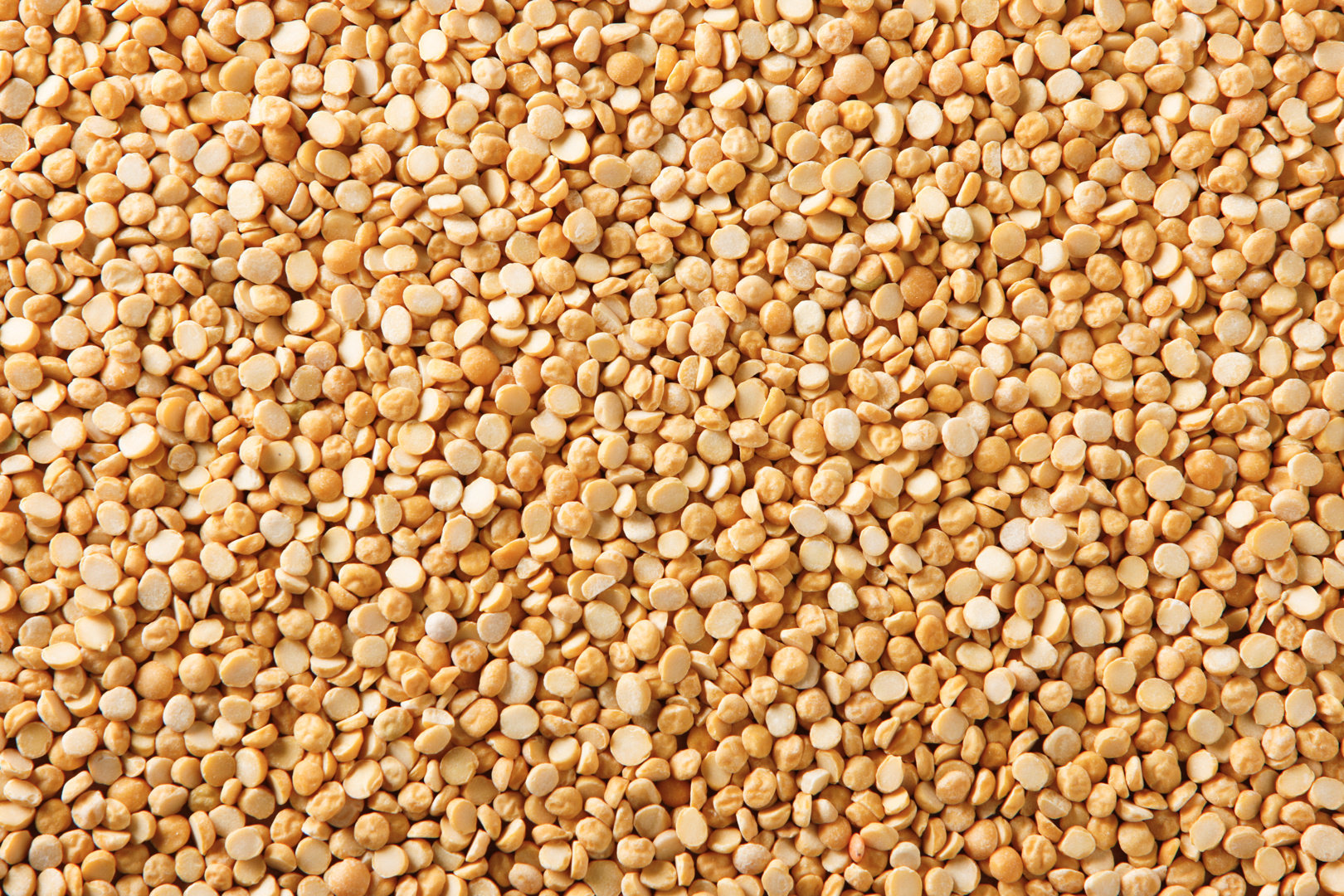
Split Desi Chickpeas (Chana Dal)
History
Chana Dal is made by splitting Desi chickpeas and removing their outer husk. This preparation is a fundamental ingredient in Indian cuisine, used for thousands of years in dals, soups, and even ground into flour (Besan).
Health Benefits
Like its whole counterpart, Chana Dal is packed with protein and fiber. It cooks relatively quickly and has a sweet, nutty flavor. It's a fantastic source of plant-based protein and is rich in zinc, folate, and calcium.
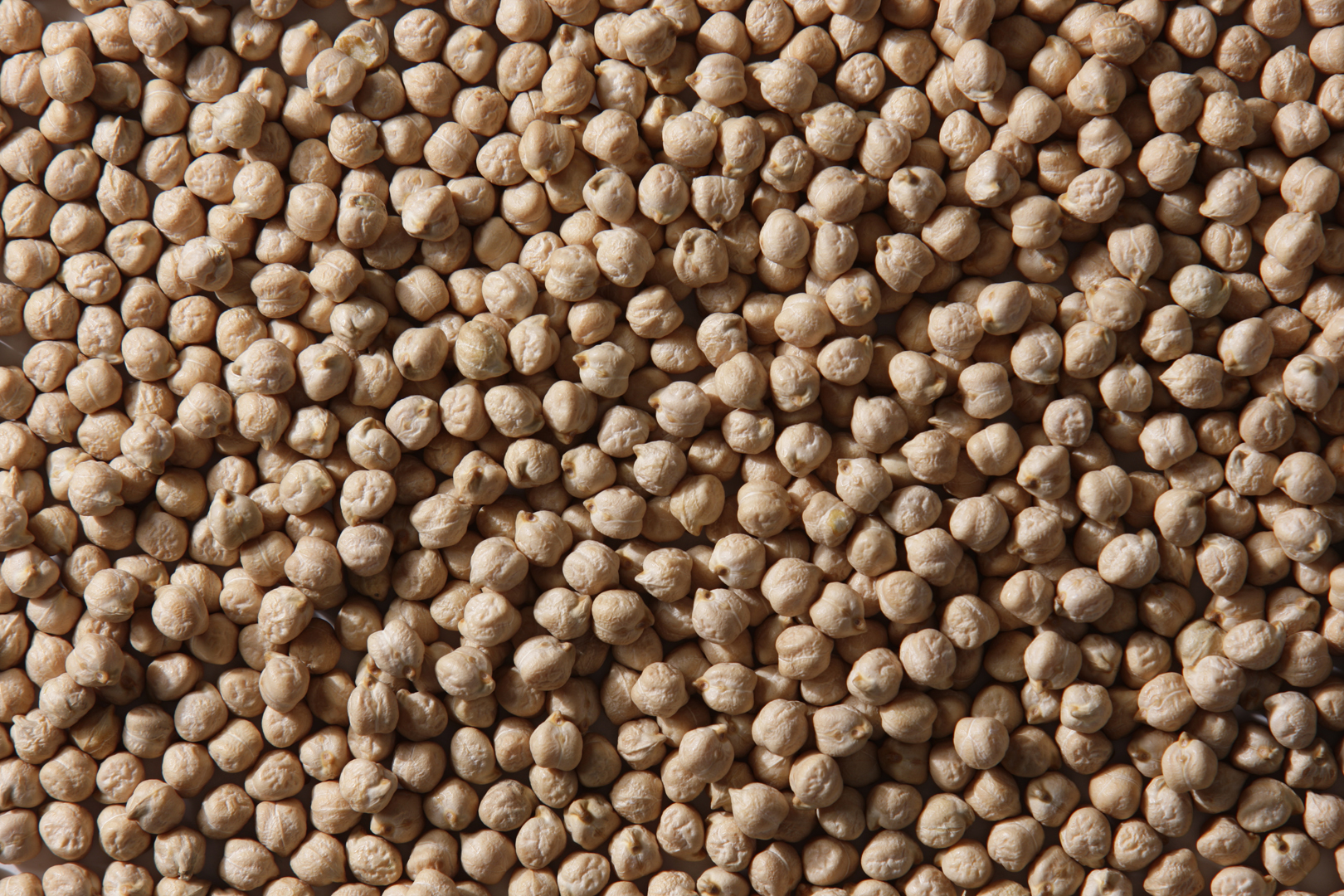
Kabuli Chickpeas
History
This is the most common variety in the Western world, also known as Garbanzo beans. They are larger, lighter in color (beige), and have a smoother coat. They were first cultivated in the Mediterranean and Middle East.
Health Benefits
Kabuli chickpeas have a creamier texture and a more delicate, nutty flavor, making them perfect for hummus, salads, and falafel. They are a great source of protein, fiber, and manganese, which supports bone health.
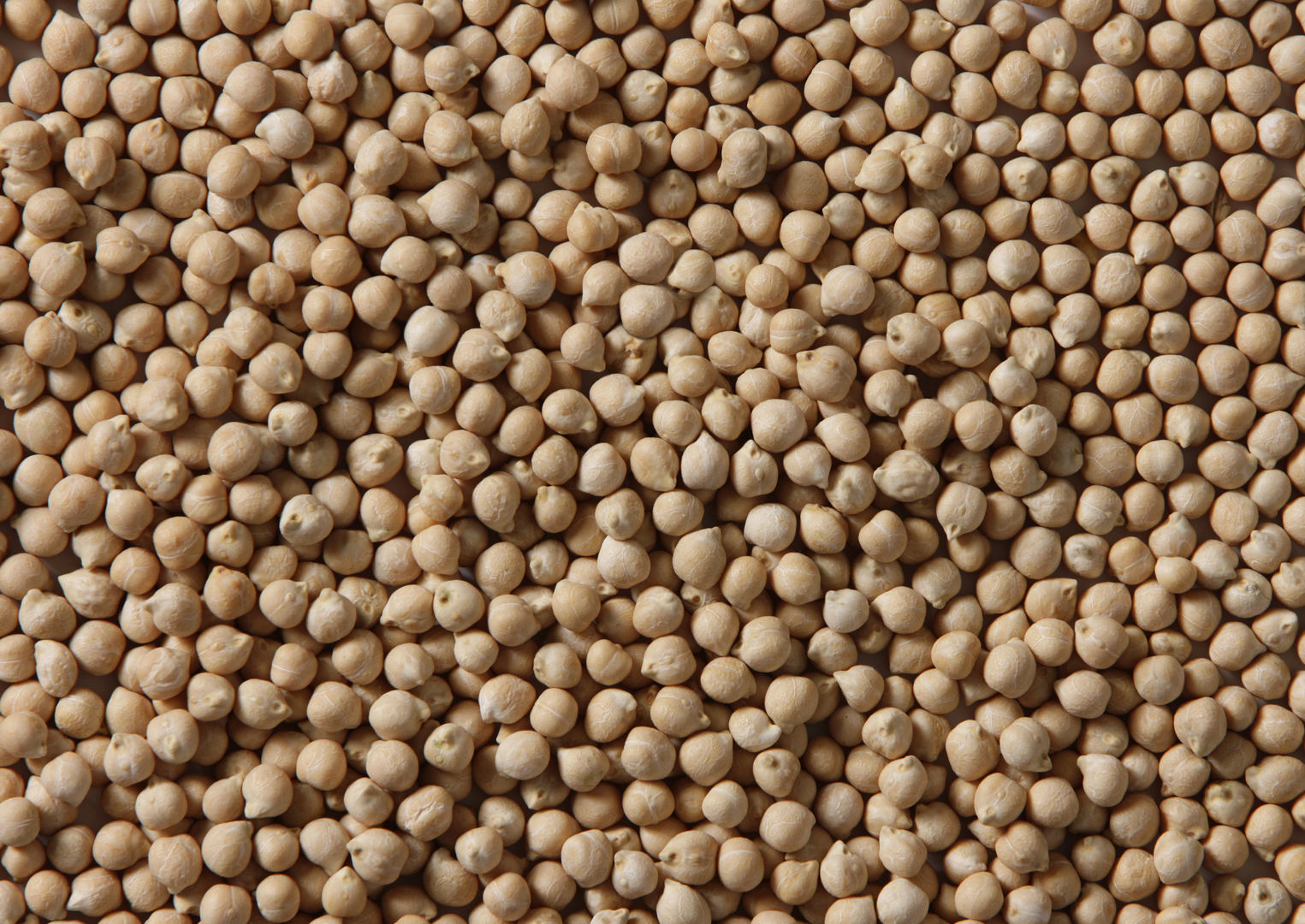
B90 Chickpeas
History
B90 is a specific variety of Desi chickpea, often grown in Australia and Canada. It is known for its high yield and disease resistance. It shares the same ancient lineage as other Desi types but is a modern, optimized cultivar.
Health Benefits
As a Desi variety, B90 is high in fiber and protein with a low GI. It's a robust and versatile chickpea, excellent for use in both whole-food recipes like stews and for milling into high-fiber Besan (chickpea flour).