Lentil Varieties
We offer a wide variety of premium lentils, each with unique characteristics. Click on any card to learn more about its history and benefits.
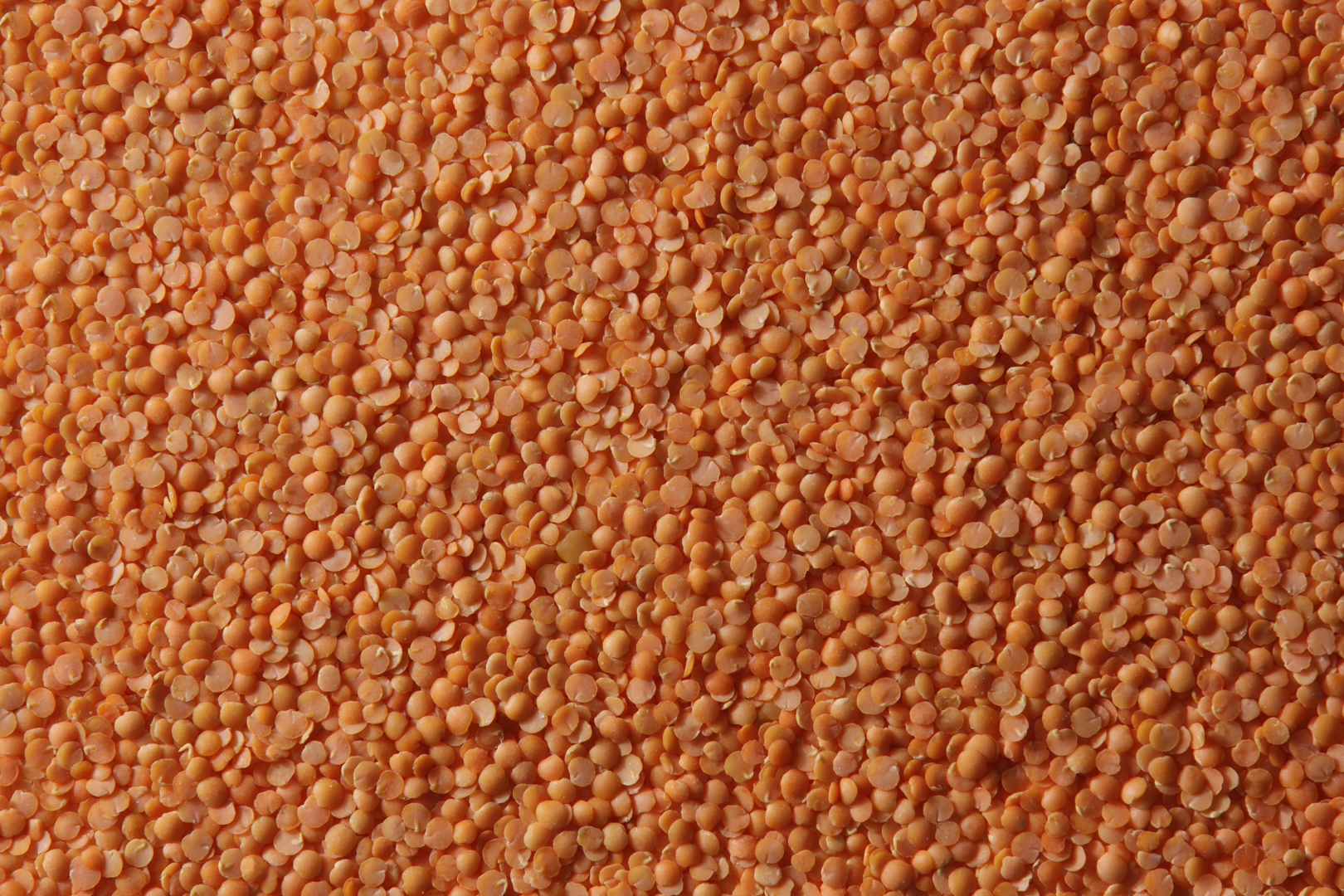
Red Split Lentils
History
Originating in the Near East, red split lentils (Masoor Dal) have been a staple food for millennia. They are essentially red whole lentils that have been hulled and split, which dramatically reduces their cooking time.
Health Benefits
Incredibly rich in protein and fiber, they are excellent for digestive health and muscle repair. They are also packed with B vitamins, iron, and folate, making them a powerhouse for energy and cardiovascular health.
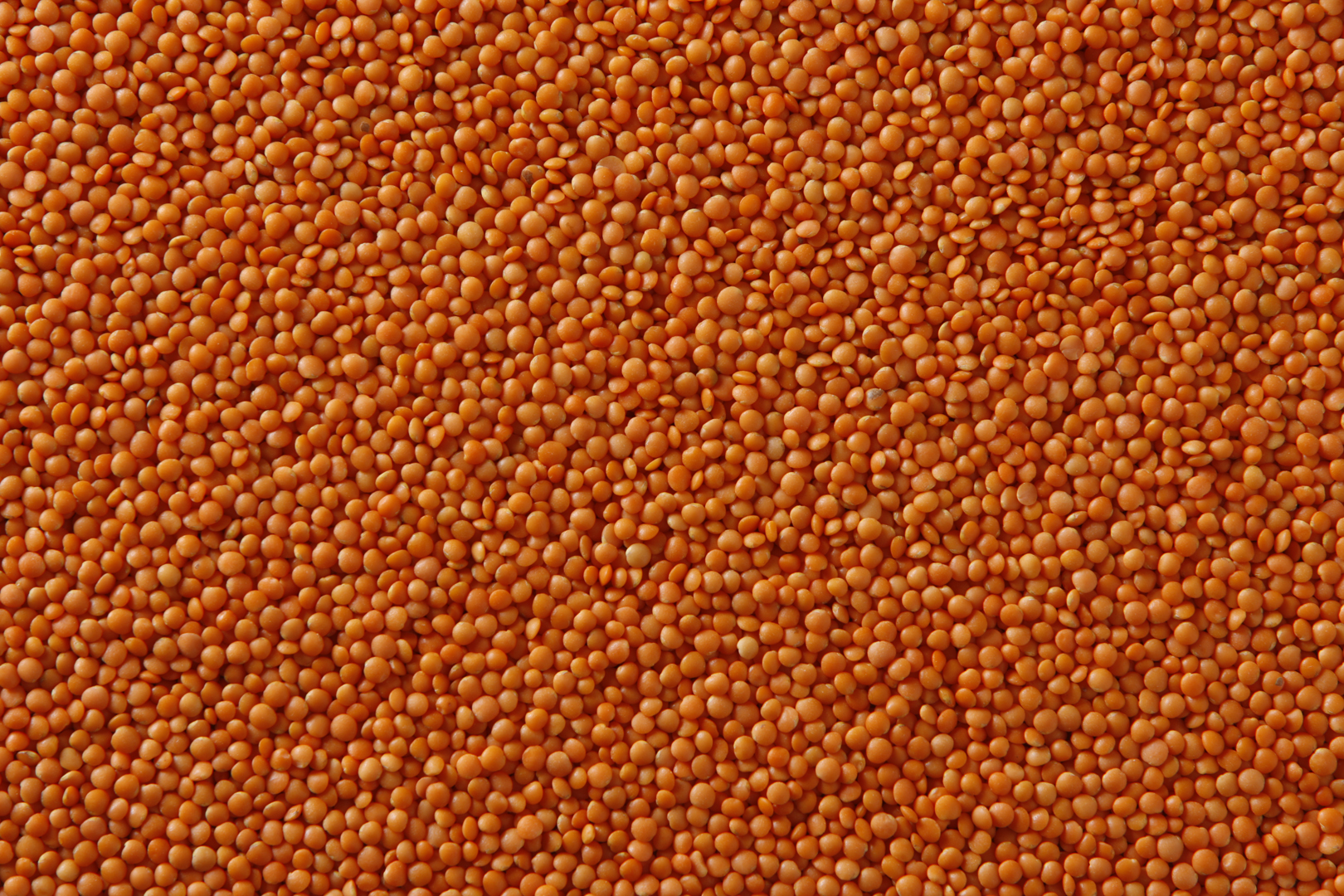
Red Football Lentils
History
"Football" refers to the whole red lentil with the husk removed. They are popular in Middle Eastern and Indian cuisine and are prized for their quick cooking time and earthy flavor, slightly richer than split lentils.
Health Benefits
Like split lentils, they are high in fiber, protein, and iron. They cook down to a soft, thick consistency, making them perfect for hearty soups, stews, and purees like traditional red lentil soup.
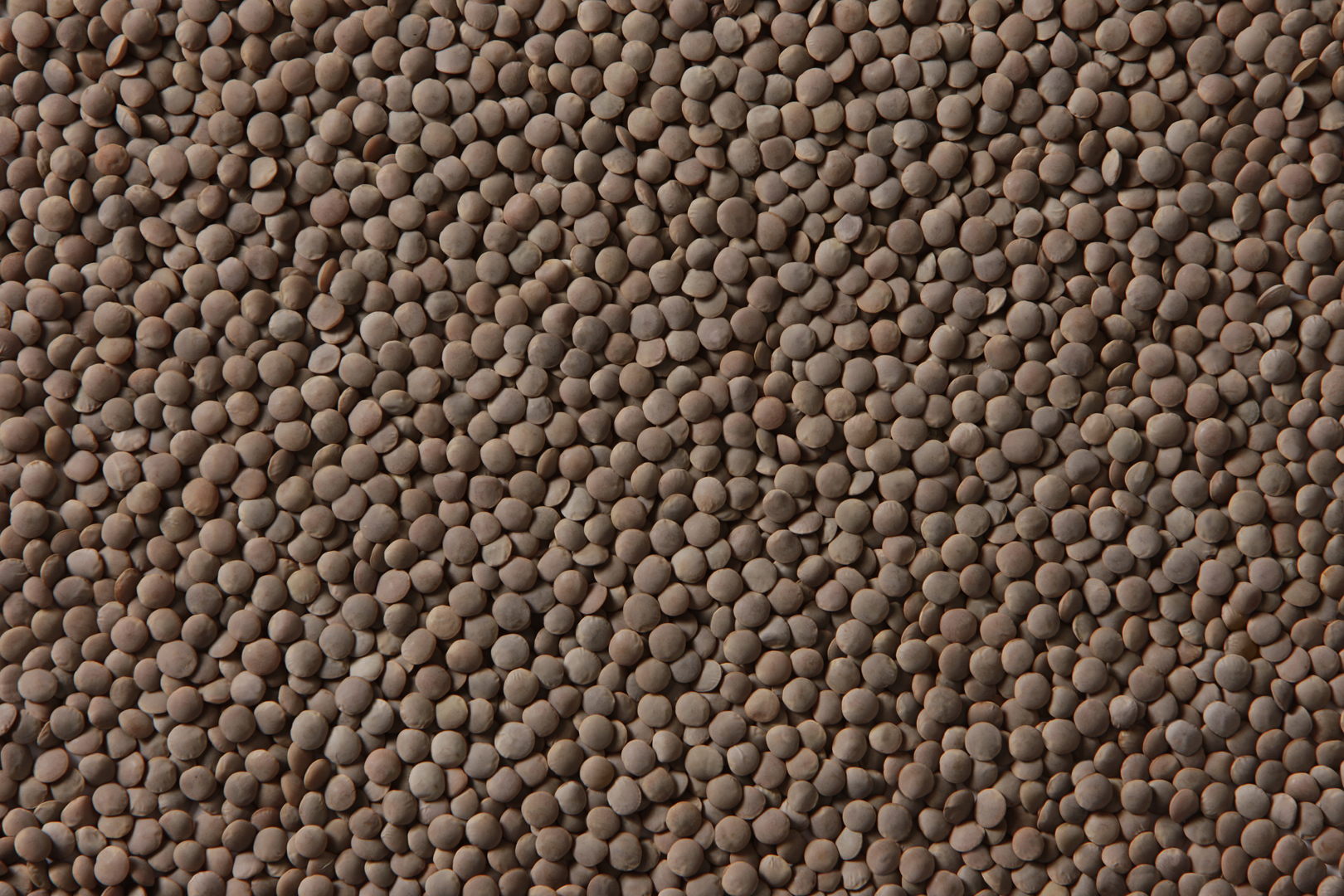
Red Whole Lentils
History
This is the complete red lentil, with its seed coat (husk) intact. The color is often more brown/khaki than red. They take longer to cook than split or football varieties but hold their shape better.
Health Benefits
The intact husk provides a significant amount of insoluble fiber, which is excellent for digestive regularity. They have a more robust, peppery flavor and are fantastic in salads, pilafs, and side dishes where texture is important.
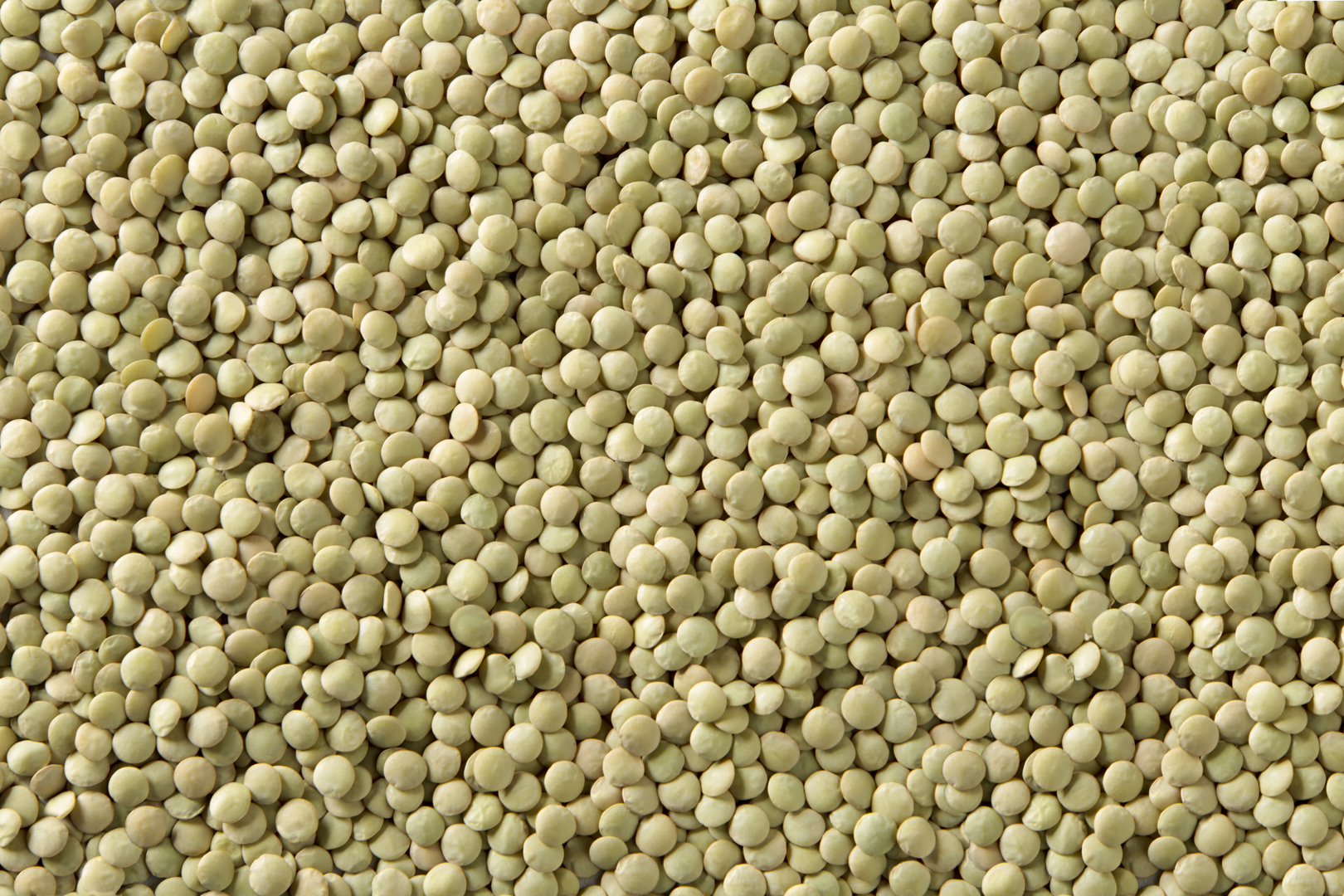
Laird Green Lentils
History
The Laird variety is a classic Canadian lentil, known for its large size (6-7mm) and distinctive dark green color. It was developed at the University of Saskatchewan and became a cornerstone of the Canadian lentil industry.
Health Benefits
Laird lentils hold their shape exceptionally well after cooking, making them the top choice for salads, soups, and side dishes. They have a rich, nutty flavor and are packed with protein, iron, and magnesium.
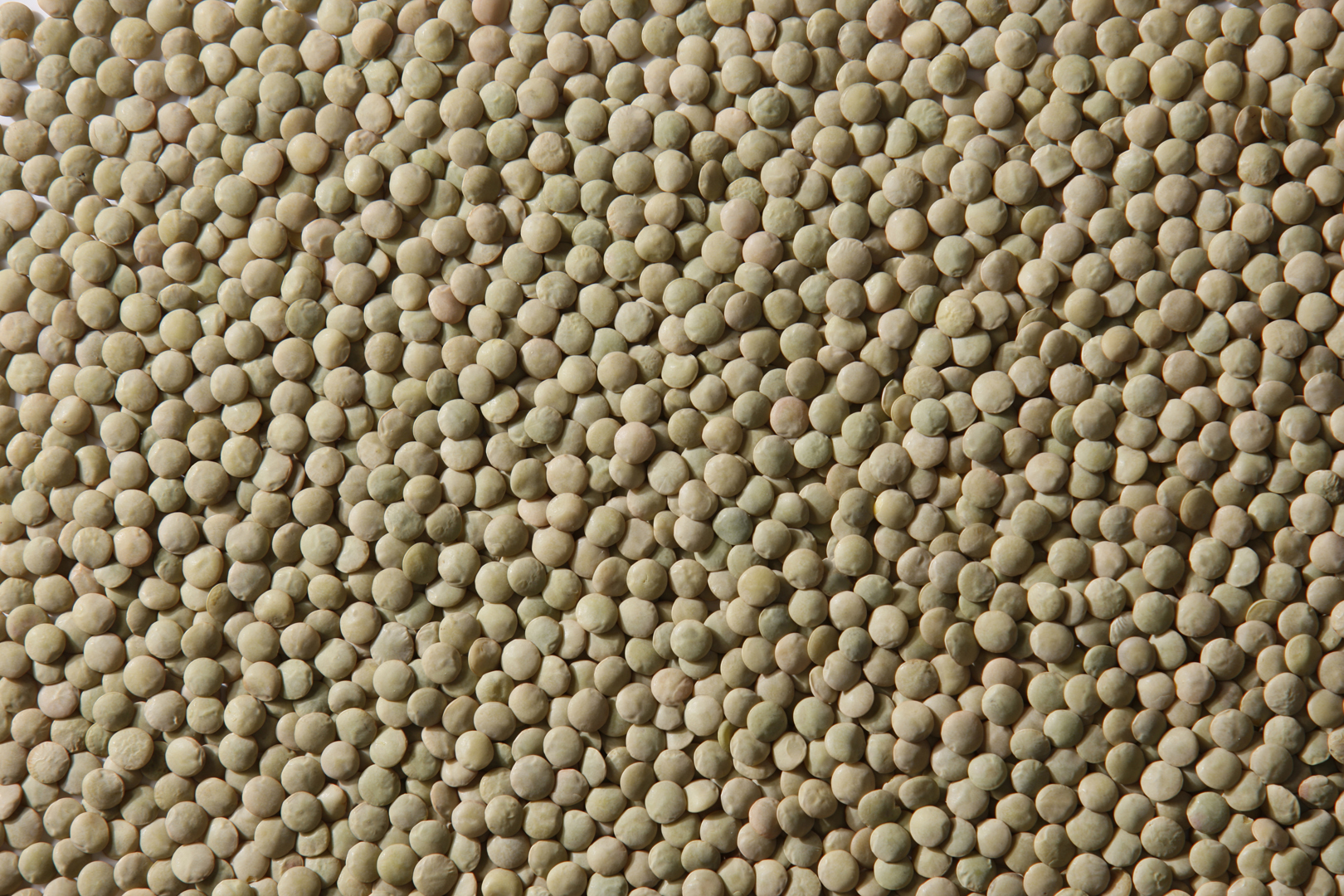
Eston & Richlea Green Lentils
History
These are small green lentil varieties (Eston is small, Richlea is medium-small), also developed in Canada. They are known for their delicate flavor and ability to cook relatively quickly while still holding some shape.
Health Benefits
A great source of plant-based protein and fiber, these lentils are particularly high in folate, which is crucial for cell growth and metabolism. Their tender texture makes them perfect for thickening soups or as a base for veggie burgers.
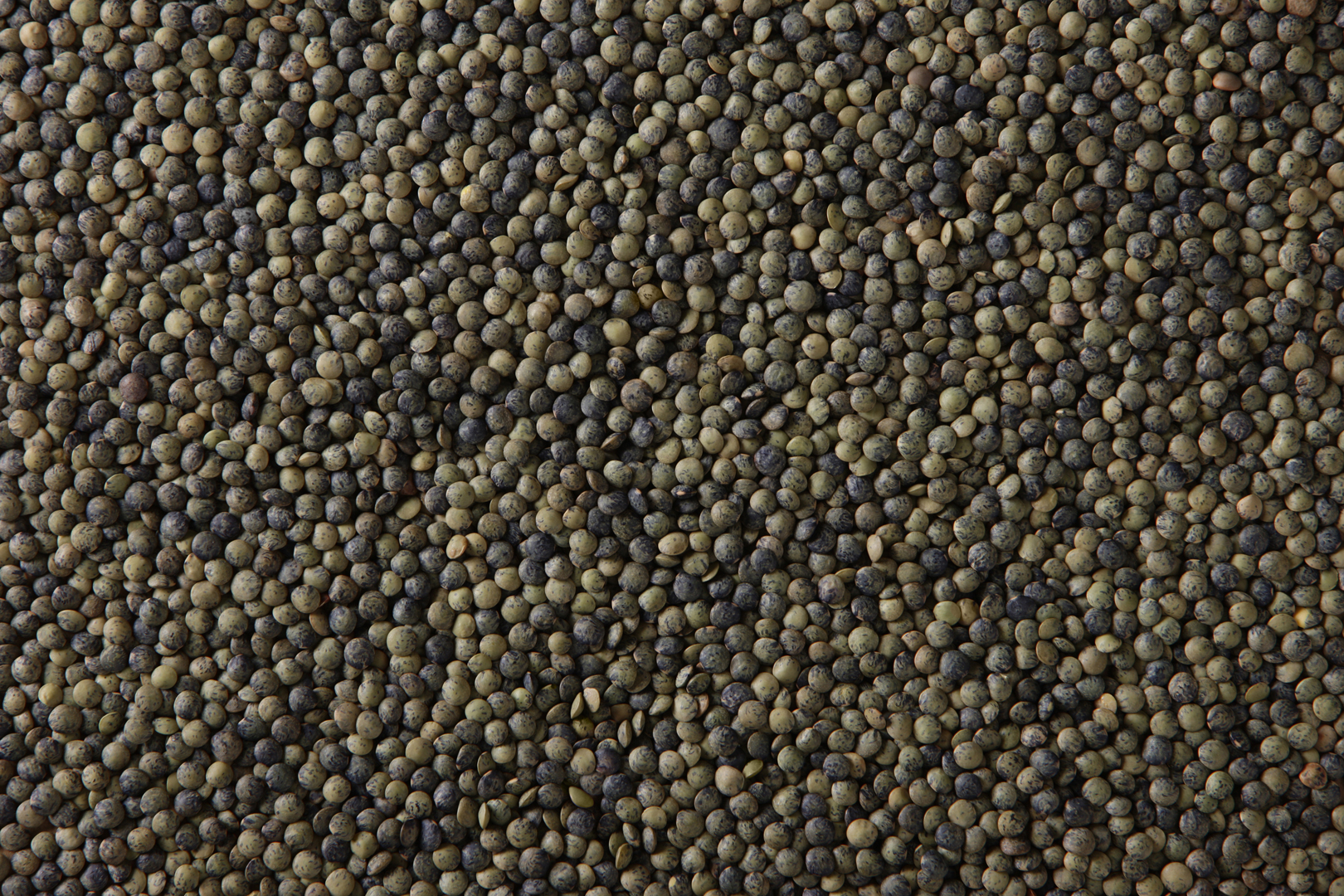
French Green Lentils (Puy)
History
Also known as "Puy" lentils if grown in the Le Puy region of France, these small, dark, mottled green-blue lentils are considered a premium variety. They have a protected designation of origin (PDO) in Europe.
Health Benefits
They hold their shape firmly and have a distinct, peppery, and nutty flavor. They are the classic choice for gourmet salads and side dishes. Rich in antioxidants (anthocyanins), they help fight inflammation and support heart health.
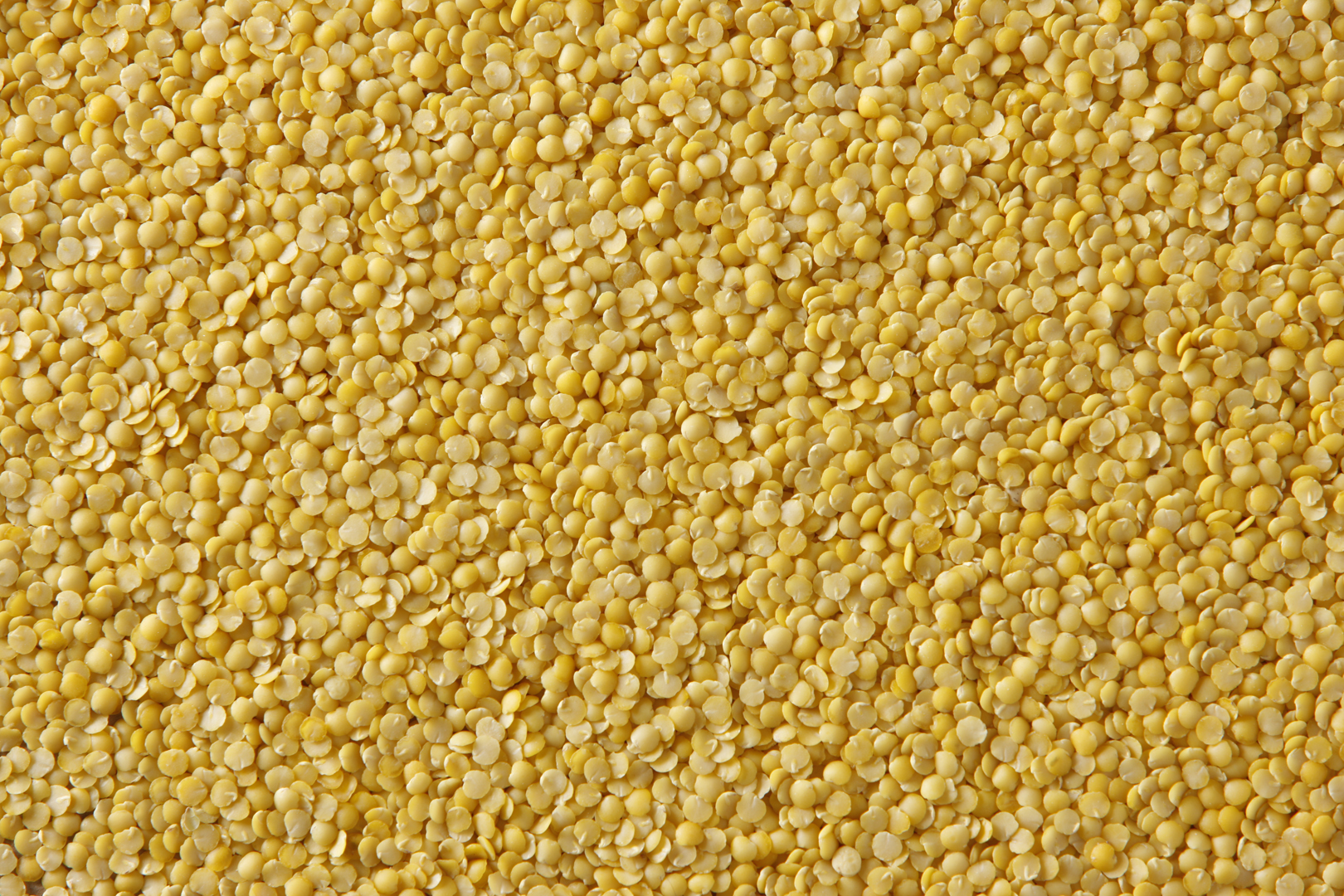
Yellow Split Lentils
History
Similar to red split lentils, these are typically made from whole green or brown lentils (like Eston) that are hulled and split. They are a staple in Indian cooking, known as Moong Dal or Toor Dal depending on the variety.
Health Benefits
They cook very quickly and break down completely, creating a creamy, thick texture perfect for traditional Indian dals and soups. They are very easy to digest and are a great source of protein, potassium, and folate.